New Detail
Mar. 13, 2026
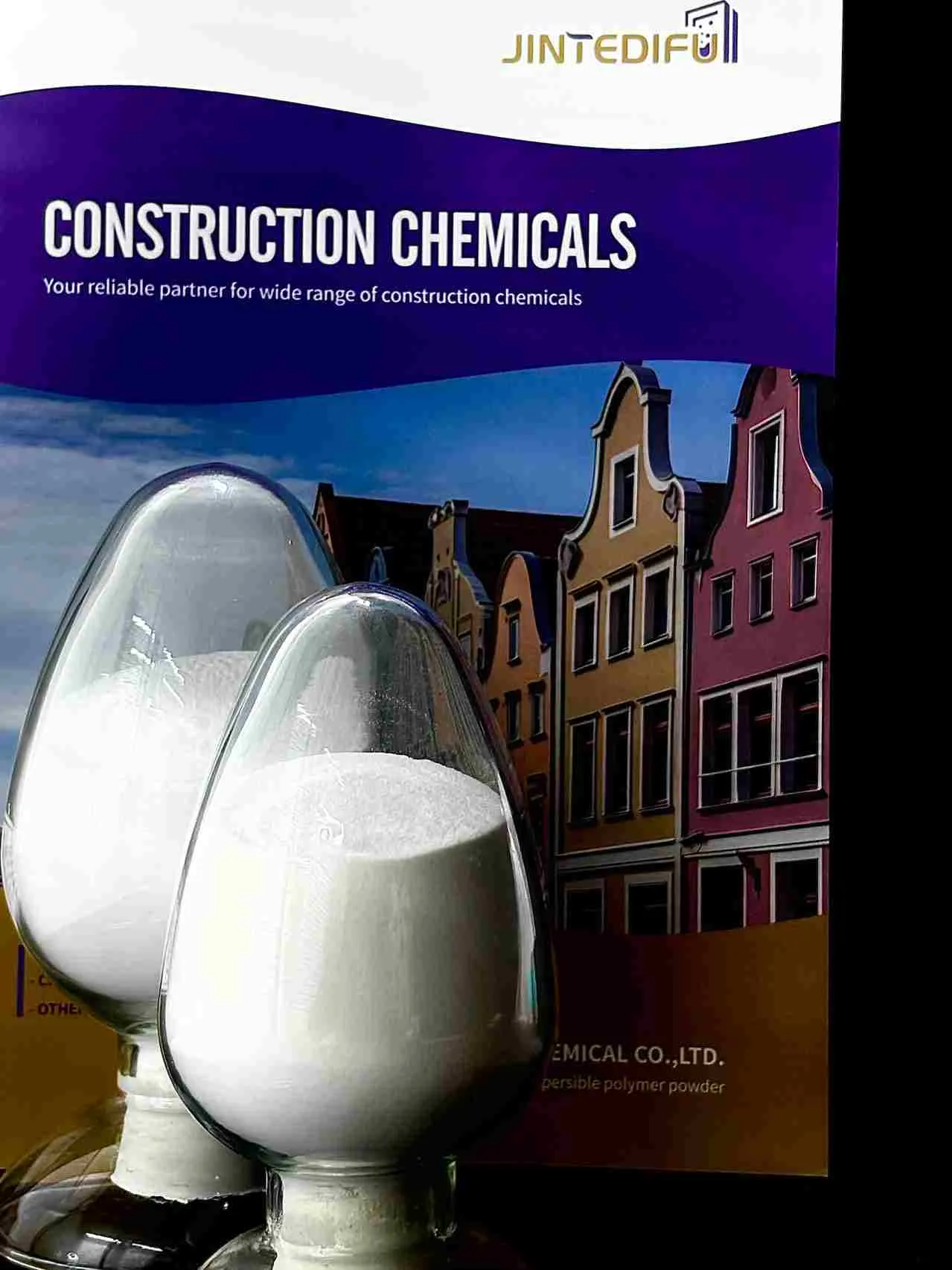
Redispersible Polymer Powder (RDP) is an important additive used in dry mix mortar systems to
improve properties such as bonding strength, flexibility, and overall application performance.
For manufacturers of tile adhesives, wall putty, EIFS mortar, and other cement-based products,
understanding the RDP production process and quality factors helps in selecting suitable materials
for different formulations.
Redispersible Polymer Powder is generally produced through a spray drying process from polymer
emulsion. During production, controlling each stage is important because it influences the final
powder characteristics, stability, and performance in mortar applications.
The process starts with preparing a polymer dispersion with controlled composition and stability.
The quality of the polymer system affects the final powder properties after drying.
Spray drying converts liquid polymer emulsion into free-flowing powder particles. Parameters such
as drying conditions and process control influence powder stability, redispersibility, and consistency.
After spray drying, the powder is collected and tested to ensure it meets required specifications.
Consistent quality control helps maintain stable performance between different production batches.
Proper packaging and storage are essential because RDP is sensitive to moisture. Keeping the product
in a dry environment helps maintain its original properties before use.
For mortar manufacturers, the production process is only one part of RDP quality evaluation. Practical
performance should also be considered according to the final application.
Important factors include:
For applications such as tile adhesive, wall putty, and EIFS mortar, sufficient bonding strength is important
to achieve reliable adhesion between mortar and substrate.
Flexible mortar systems need polymer additives that can help improve deformation resistance and reduce
the risk of performance problems caused by movement or temperature changes.
RDP should be evaluated together with cement, fillers, cellulose ether, and other formulation components.
Laboratory testing with the actual formulation is recommended before large-scale production.
For industrial production, stable quality between different batches is essential. Checking technical data,
test results, and sample performance can help ensure reliable material selection.
The best RDP choice depends on the required performance of the final mortar system.
When a balanced solution for bonding strength and flexibility is required, a universal-grade RDP can
be considered.
JINT™-503 is a universal grade redispersible polymer powder designed for dry mix mortar applications,
providing bonding strength and flexibility for products such as wall putty, tile adhesive, and EIFS.
Some mortar systems require stronger adhesion performance, especially where bonding reliability is
a key requirement.
JINT™-502 is a redispersible polymer powder with high bonding strength, while also providing flexibility
for dry mix mortar applications.
JINT™-740 can also be selected when higher bonding strength and flexibility are required according to
formulation requirements.
When moisture exposure is an important consideration, RDP selection should include waterproofing
requirements.
JINT™-745 combines bonding strength, flexibility, and waterproofing functions, making it suitable for
applications where these properties are required.
Before selecting an RDP grade for commercial production, manufacturers should conduct application tests
based on the target mortar system.
- Test RDP samples in the actual mortar formulation.
- Compare adhesion performance under the intended application conditions.
- Evaluate flexibility and water-related performance when required.
- Check compatibility with other additives in the formula.
- Confirm performance stability through repeated testing.
- Laboratory testing with the final formulation is the most reliable way to select an RDP grade for a specific
application.
The RDP production process directly influences powder consistency and application performance, but selecting
the right product also requires understanding the final mortar requirements.
By evaluating bonding strength, flexibility, water resistance requirements, and formulation compatibility,
manufacturers can choose a suitable redispersible polymer powder for their products.
JINTEDIFU provides different RDP grades for dry mix mortar applications, helping customers select suitable
solutions based on their formulation needs and performance targets.

Name: Zane.Liu
E-Mail:Zane.Liu@jtdf-rdp.com
Mobile:+86 166 5317 6310(Whatsapp)
Latest News