New Detail
Mar. 26, 2026
In construction chemicals, cellulose-based products are widely used functional additives.
They help improve mortar and adhesives. These materials support many parts of modern building projects.
Many people in the industry want to know what kind of molecule cellulose is.
They also want to know how cellulose types differ. They want to know where real applications use hydroxy cellulose!
In this article, we explain the structure, classification & practical value of cellulose materials for construction.
1. What Type of Molecule Is Cellulose?
1.1 The Basic Molecular Structure
Many engineers and formulators ask: what type of molecule is cellulose?
Cellulose is a natural polysaccharide molecule, classified as a long-chain polymer.
Strong chemical bonds link repeated glucose units together to form it.
These long chains form a stable, rigid structure that gives cellulose its strength and stability.

1.2 Key Physical and Chemical Traits
Because of its unique molecular structure, cellulose shows several important characteristics:
- High mechanical strength
- Good chemical stability
- Strong water-binding ability
- Excellent thickening and film-forming properties
These traits make cellulose ideal for use in cement-based materials, adhesives, and insulation systems.
1.3 Why It Works in Construction
The long-chain molecular structure allows cellulose to form a network in wet mortar.
This network improves water retention, workability & bonding strength.
Without cellulose-based additives, many modern construction materials would lack performance and consistency.
2. Types of Cellulose Used in Construction
2.1 Common Classification of Cellulose Products
When discussing types of cellulose, we usually divide them based on source, processing method, and modification.
The main types used in construction include:
1) Natural cellulose
Derived from plant fibers, used in basic fillers and reinforcing materials.
2) Modified cellulose ethers
Chemically modified to improve solubility and performance, widely used in high-end mortars.
3) Cellulose powder
Finely ground cellulose with stable fluidity, ideal for dry-mix products.
4) Hydroxy cellulose
A high-performance modified cellulose with excellent water retention and adhesion.
2.2 Differences Between Types
Different types of cellulose serve different purposes:
- Natural cellulose provides basic strength and filling.
- Modified cellulose improves workability and bonding.
- Hydroxy cellulose offers superior stability and compatibility.
You can match each type to specific construction scenarios such as tile adhesive, wall putty & EIFS systems.
2.3 Choosing the Right Cellulose Material
Selecting the correct type depends on application needs:
- For tile adhesives: modified cellulose and hydroxy cellulose work best.
- For insulation mortars: cellulose with high water retention is preferred.
- For general repair mortar: standard cellulose powder is sufficient.
Professional manufacturers like Jinan Jintedifu provide customized options for different projects.

3. Hydroxy Cellulose: Performance and Construction Applications
3.1 What Is Hydroxy Cellulose?
Hydroxy cellulose is a modified cellulose product with enhanced water solubility and stability.
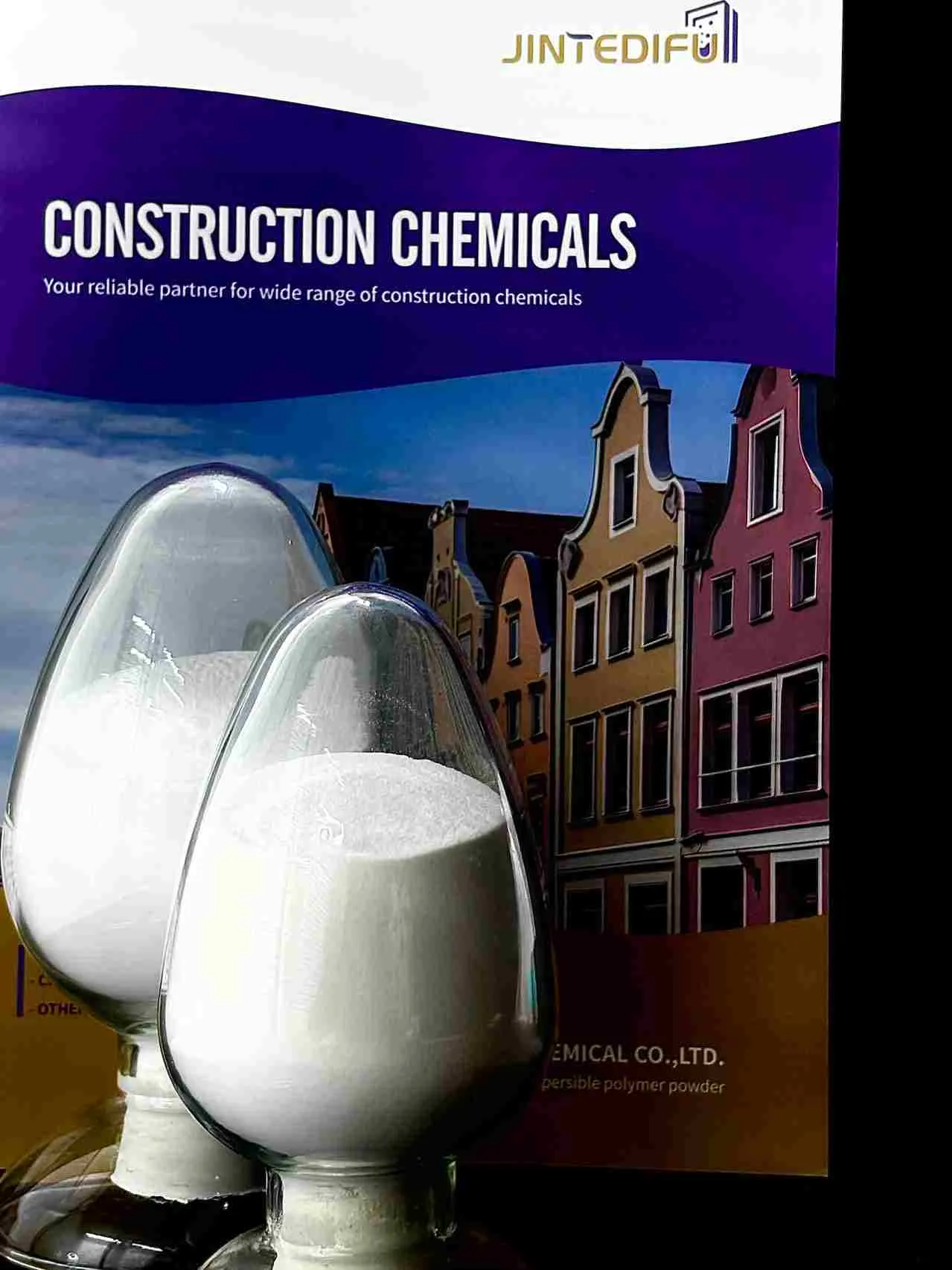
White or slightly yellowish, with a fine powder texture and high purity.
Compared with ordinary cellulose, it has better thickening, dispersing, and film-forming abilities.
This makes it a top choice for high-quality construction formulations.
3.2 Main Functions of Hydroxy Cellulose
Hydroxy cellulose provides multiple benefits in building materials:
1) Excellent water retention.
It prevents mortar from drying too quickly and ensures full cement hydration.
2) Improved workability
It makes mortar smoother, easier to apply, and less likely to sag on vertical walls.
3) Strong bonding enhancement
It increases adhesion between mortar and substrates such as concrete, tiles, and insulation boards.
4) Crack resistance
It reduces shrinkage cracking and improves durability in outdoor environments.
3.3 Widely Used Applications
Hydroxy cellulose is widely used in:
- Tile adhesives and stone adhesives
- Cement-based wall putty
- EIFS insulation mortar
- Self-leveling compounds
- Water-based coatings and repair materials
It greatly improves product quality and extends the service life of buildings.
4. Why Choose Jintedifu Cellulose Products
Jinan Jintedifu Chemical Co., Ltd. specializes in producing RDP,HPMC,MHEC,HEC and other construction additives.
We have rich experience in research, production & application for global customers.
4.1 Our Advantages
- Stable and reliable product quality
- Strict quality inspection in every production stage
- Customizable specifications for different formulas
- Professional technical support for formula optimization
4.2 Application Support
Our team provides full technical guidance from formula design to on-site construction.
We help manufacturers improve performance, reduce costs, and enhance product competitiveness.
Whether you need basic cellulose or high-performance hydroxy cellulose, we have suitable solutions.
4.3 Global Cooperation
We export our products to many countries and regions.
We maintain long-term partnerships with mortar factories, adhesive manufacturers, and construction enterprises.
We always uphold the concept of quality first and customer foremost.
Conclusion
Understanding cellulose, its types and how hydroxy cellulose performs helps formulators and builders.
They can use this information to choose better materials.
Cellulose-based additives are no longer auxiliary materials,they are core components that determine the quality of construction products.
From tile adhesive to external wall insulation, hydroxy cellulose and modified cellulose products offer stable, reliable, long-lasting performance.
Jintedifu is committed to supplying premium cellulose materials for the global construction industry.
We look forward to cooperating with you to create better building solutions.
By: Melody Lee
E-mail: melody.lee@jtdf-rdp.com
Latest News