New Detail
Aug. 07, 2026

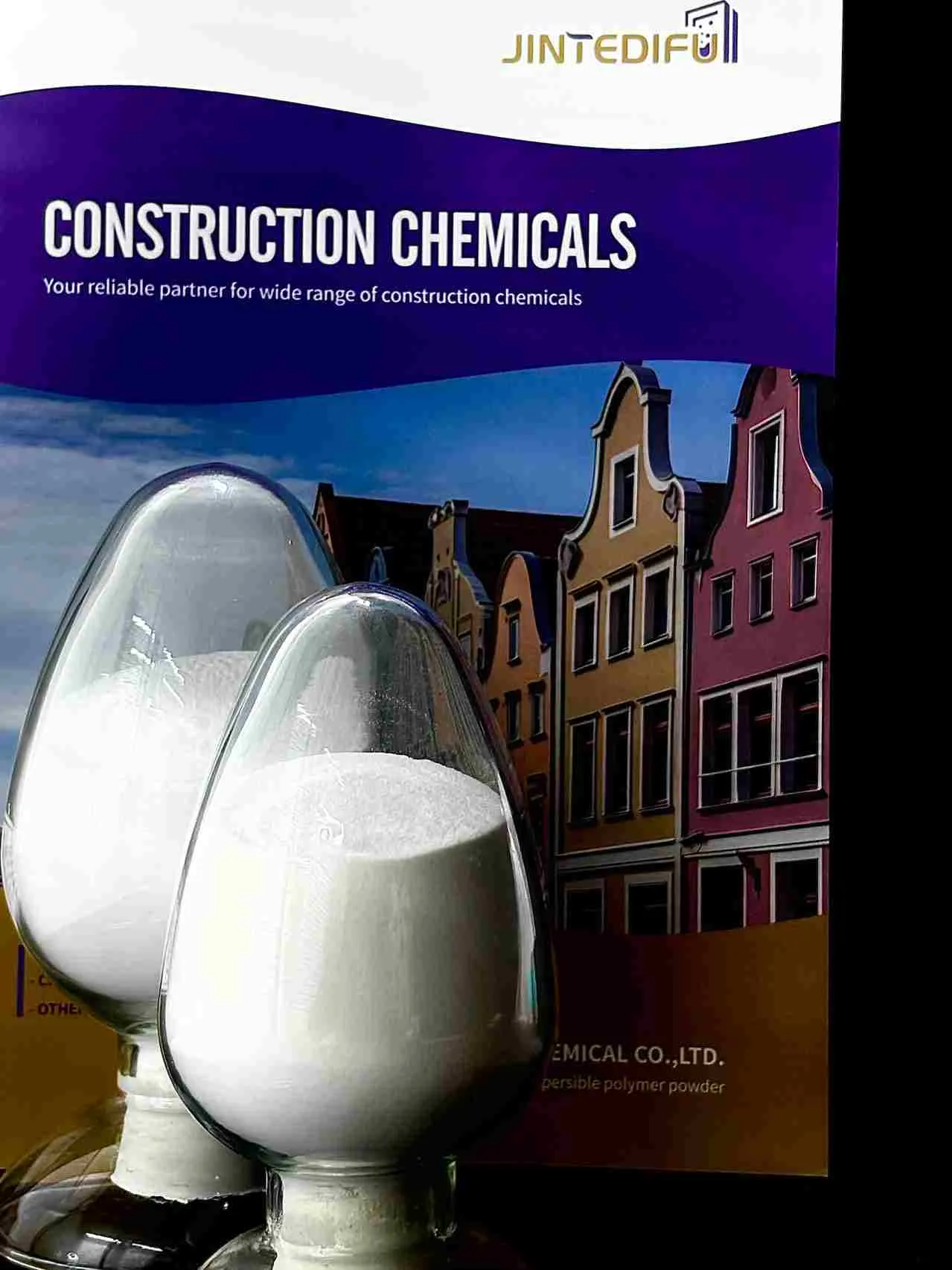
Redispersible polymer powder (RDP) is one of the most important polymer additives used in modern dry mix mortar systems.
It improves adhesion, flexibility, water resistance, workability and durability of cement-based products.
However, choosing the right RDP grade is not simply a matter of selecting a product with higher polymer content or increasing the dosage.
For mortar manufacturers and formulation engineers, the real challenge is:
Which RDP grade matches my application, raw materials and performance requirements?
Different mortar systems require different balances between:
- adhesion strength
- flexibility
- crack resistance
- water retention
- open time
- workability
- cost performance
This guide explains how professional buyers and formulators select RDP grades,
what testing should be performed, and how JTDF RDP products can be used in different applications.
This article is designed for two groups of readers:
If you are purchasing RDP for a factory, you may need to understand:
- which grade fits your existing products
- how different RDP grades affect mortar performance
- what documents and samples should be requested
- how to compare suppliers
If you are developing or improving:
- repair mortar
- waterproof mortar
you need to evaluate RDP based on formulation performance rather than product price alone.
A common misunderstanding is:
"Higher RDP dosage always means better mortar performance."
In practice, RDP works together with other components:
- cement type
- sand grading
- cellulose ether
- fillers
- defoamers
- fibers
- water content
Increasing RDP dosage may improve certain properties, but it cannot compensate for an unsuitable overall formulation.
For example:
A tile adhesive with poor water retention may not achieve better open time simply by adding more RDP.
A gypsum plaster with excessive shrinkage may still crack even with higher RDP dosage.
The correct approach is:
Select the suitable RDP grade first, then optimize the complete formulation.
When selecting RDP, professional formulators usually consider the following factors.
For most cement-based dry mortar applications, customers usually need a balanced improvement in:
- adhesion
- workability
- flexibility
- mechanical performance
A general-purpose RDP grade is often the first choice for customers who need stable performance across different mortar systems.
Recommended:JTDF JINT™-503 RDP
JINT™-503 is a versatile RDP grade designed for general cement-based dry mortar applications.
It provides balanced improvements in:
- adhesion strength
- workability
- flexibility
- overall mortar performance
Typical applications include:
- tile adhesive
- cement mortar
- skim coat
- repair mortar
- general dry mix mortar systems
Product page: RDP JINT™-503
Some applications require stronger bonding performance, especially where the mortar needs to achieve reliable adhesion to different substrates.
Typical applications include:
- tile adhesive
- bonding mortar
- repair mortar
- cement-based systems requiring improved adhesion
Recommended:JTDF JINT™-740 RDP
JINT™-740 is developed for applications where high bonding performance is required.
It helps improve:
- adhesion strength
- bonding reliability
- mortar cohesion
- overall application performance
Typical applications:
- tile adhesive with higher adhesion requirements
- repair mortar
- high-strength cement-based mortar
- demanding construction applications
Product page: RDP JINT™-740
For applications exposed to movement, moisture or environmental changes, flexibility and water resistance become more important.
Typical applications include:
- waterproof mortar
- flexible tile adhesive
- exterior wall systems
- protective mortar
Recommended:JTDF JINT™-745 RDP
JINT™-745 is designed for higher-performance mortar applications requiring improved flexibility, water resistance and durability.
It is suitable for systems requiring:
- better deformation resistance
- improved crack resistance
- enhanced water resistance
- long-term durability
Typical applications:
- waterproof mortar
- flexible tile adhesive
- exterior insulation systems
- high-performance repair mortar
Product page: RDP JINT™-745
Different mortar systems may require different performance balances.
For example:
- Tile adhesive may prioritize adhesion and open time
- Waterproof mortar may require flexibility and water resistance
- Repair mortar may require bonding strength and durability
Therefore, RDP selection should always consider the complete formulation, including:
- cement type
- sand grading
- cellulose ether
- fillers
- fibers
- dosage level
Recommended:
JTDF JINT™-502 RDP
JINT™-502 is a general-purpose RDP grade suitable for customers looking for balanced polymer modification performance.
It can help improve:
- adhesion
- workability
- flexibility
- mortar stability
Typical applications:
- tile adhesive
- skim coat
- cement mortar
- dry mix mortar systems
Product page: RDP JINT™-502
| Product | Main Focus | Typical Applications |
|---|---|---|
| JINT-502 | General-purpose RDP with balanced performance | Tile adhesive, mortar, skim coat |
| JINT-503 | Versatile RDP for overall mortar modification | General dry mix mortar systems |
| JINT-740 | High adhesion and bonding performance | Tile adhesive, repair mortar, bonding mortar |
| JINT-745 | Flexibility, water resistance and high-performance modification | Waterproof mortar, flexible systems, exterior applications |
When customers receive RDP samples, laboratory testing normally focuses on the final mortar performance.
Common tests include:
- tensile adhesion strength
- open time
- slip resistance
- water immersion adhesion
- freeze-thaw resistance
- adhesion strength
- crack resistance
- workability
- surface quality
- water resistance
- bonding strength
- flexibility
- shrinkage
- durability
A professional RDP supplier should not only provide powder samples but also support customers in evaluating the complete formulation.
A lower RDP price does not always mean lower formulation cost.
An unsuitable grade may require:
- higher dosage
- additional additives
- more formulation adjustment
The total formulation cost is more important than the powder price.
More RDP cannot fix:
- incorrect cement selection
- poor sand grading
- insufficient cellulose ether
- excessive water
- improper curing conditions
A balanced formulation is always necessary.
Tile adhesive, gypsum plaster and waterproof mortar have different performance requirements.
The best RDP for one application may not be the best choice for another.
In real formulation optimization, engineers usually adjust multiple components.
Affects:
- hydration
- strength development
- compatibility
Affects:
- shrinkage;
- workability;
- mechanical strength.
Affects:
- water retention
- open time
- workability
Affects:
- crack resistance
- toughness
Therefore:
RDP selection should always be combined with the complete mortar formulation.
Choosing RDP is not only about buying a polymer powder.
A reliable supplier should provide:
- technical data sheet (TDS)
- safety data sheet (SDS)
- sample evaluation
- formulation recommendations
- application experience
JTDF provides RDP solutions for different dry mortar applications and supports customers in selecting suitable grades according to their formulation requirements.
The best RDP grade is not always the highest-performance product or the lowest-cost option.
The correct choice depends on:
- application
- required performance
- raw materials
- formulation design
- testing results
For mortar manufacturers, the most effective approach is to select the right RDP grade first, then optimize the complete formulation.
JTDF offers different RDP grades including JINT-502, JINT-503, JINT-740 and JINT-745 to meet various construction material requirements.
Contact JTDF for RDP samples and technical support for your mortar formulation.
Name: Arlo.Hu
E-Mail:arlo.hu@jtdf-rdp.com
Mobile:+86 185 6012 8196(Whatsapp)
Tile Grout Specific Redispersible Polymer Powder: Preventing Cracking
Selecting the Best Redispersible Polymer Powder for Tile Adhesive on Cement Substrates
Latest News