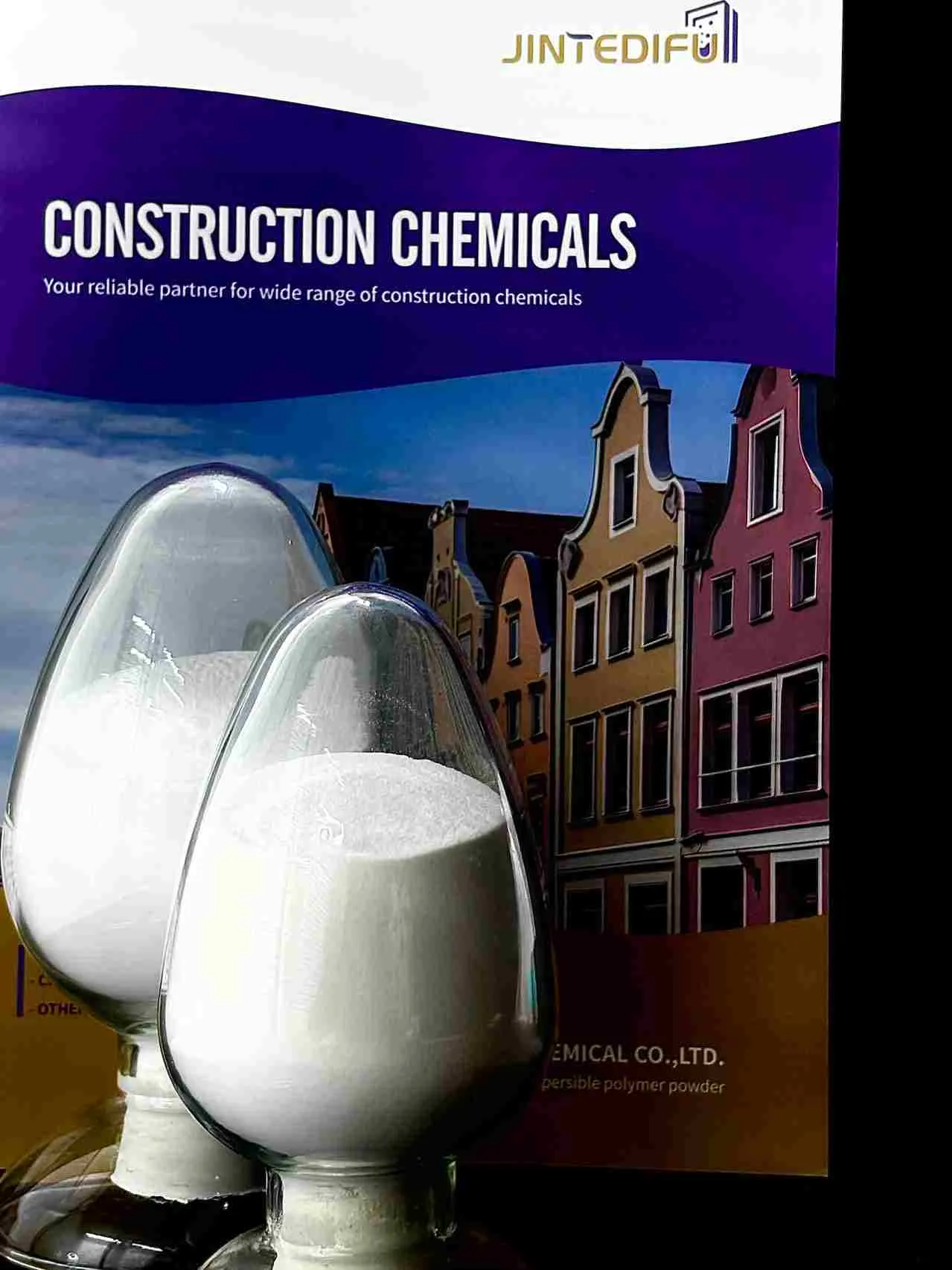
New Detail
May. 15, 2026
Have you ever spent hours perfecting a tiling or drywall project, only to watch the seams separate and crack a few months later?
The secret to long lasting, flawless joints isn't just about better application techniques; it's about better chemistry. Incorporating
redispersible polymer powder for joint filler into your dry mix is the ultimate way to guarantee durability. Let's explore how these
versatile polymer additives commonly known as RDP transform standard mixtures into robust, flexible building materials.
To truly understand why add redispersible powder to masonry, we first need to look at the role of ethylene vinyl acetate in
construction. Often serving as the foundation for these powders, VAE copolymer powder benefits include superior elasticity,
UV resistance, and exceptional binding strength.
When you mix the dry mortar with water on site, the powder instantly re emulsifies. It relies on the film forming properties
of redispersible emulsions to weave a tough, flexible polymer matrix throughout the cementitious structure.
Many professionals wonder about the difference between RDP and cellulose ethers. While cellulose ethers are primarily
responsible for water retention and thickening, RDP is dedicated to boosting tensile strength and improving adhesion in dry
mix mortar. Understanding how these two interact is the baseline for formulating high-performance crack fillers.
When you upgrade a standard joint filler with redispersible polymer powder, you drastically improve its physical characteristics:
1) Ultimate Flexibility: The impact of polymer dosage on flexibility is massive. The right concentration allows the filler to absorb
structural micro movements, which is critical for preventing cracks in tile grout and drywall seams.
2) Moisture Defense: The inherent waterproofing properties of polymer modified fillers protect against water ingress. This ensures
the long term durability of polymer based sealants in damp environments like bathrooms and kitchens.
3) Dimensional Stability: By optimizing internal curing, RDP plays a direct role in reducing shrinkage in cement based materials.
4) Better Handling: Beyond strength, RDP acts as a lubricant, enhancing workability of cementitious joint compounds. This makes
the paste smoother to trowel, easier to spread, and less likely to sag.
When weighing RDP vs liquid acrylic additives, convenience and consistency take the spotlight. Liquid modifiers require careful
on-site measuring, which opens the door to human error. Conversely, factory-blended dry mortars containing RDP only require
the addition of water. This guarantees exact chemical ratios every single time, saving labor costs and preventing messy job site spills.
Knowing how to choose the right RDP grade comes down to your specific substrate and application. If maximum movement accom
modation is your goal (such as tiling over plywood), opt for a softer, highly flexible VAE based powder. For standard wall joints, a
medium flexibility grade offers the perfect balance of strong adhesion and easy sandability.
Whether you are tackling a minor home renovation or a massive commercial build, relying on modern chemical formulations ensures
professional results. Using a high quality redispersible polymer powder for joint filler eliminates the guesswork, giving your masonry,
grout, and drywall finishes the ultimate defense against movement, moisture, and time.

Name: Molly.Wang
E-Mail:molly.wang@jtdf-rdp.com
Mobile:+86 156 5045 0156(Whatsapp)
Optimizing Self-Leveling Mortar The Role of High-Quality HPMC in Fluidity and Anti-Segregation
HPMC for Gypsum-Based Plaster: Key Factors in Solving "Chalking" and "Powdering" Issues
Latest News